
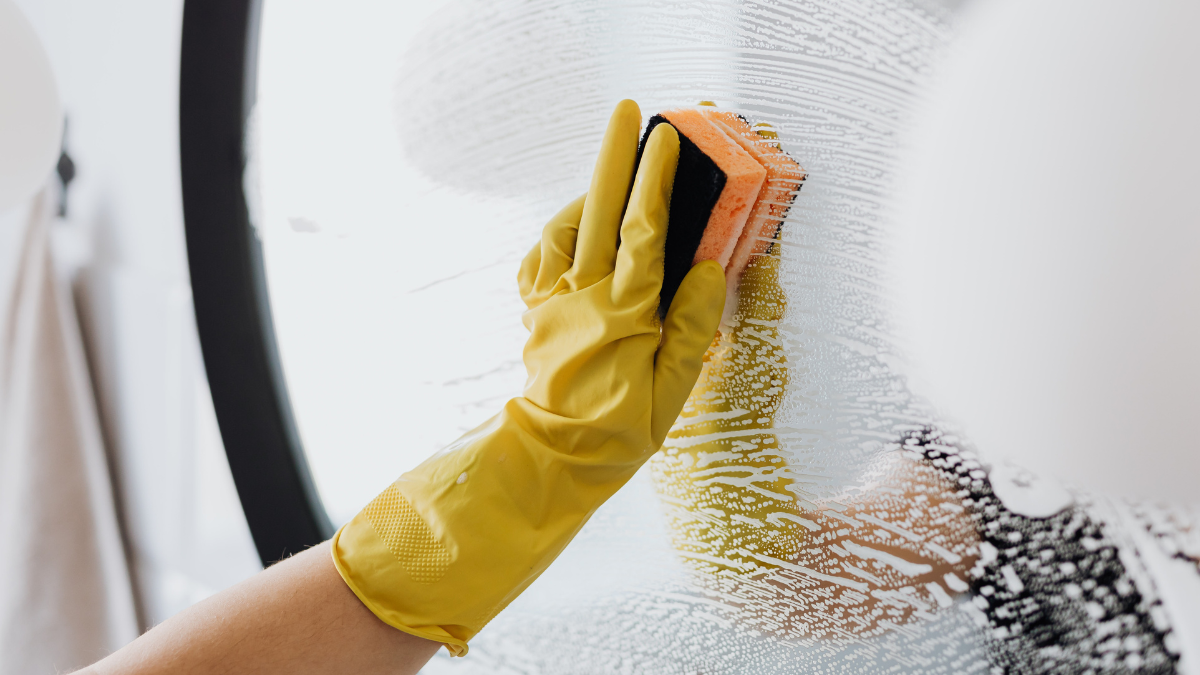
A healthier home does not have to mean a sterile home, a boring home, or a complete renovation.
It starts with smarter decisions in the areas that affect you every day: what you breathe, what you touch, and what you use to clean the spaces where you live.
People often think wellness design means buying every new product with a green label on it. That is not the point. A healthier home is not about panic or perfection. It is about reducing unnecessary irritants, choosing better materials when you can, and making your home work with your life instead of against it.
Beautiful matters. Comfort matters. Health matters. A well designed home should give you all three.
The Direct Answer: What Are The Easiest Ways To Create A Healthier Home?
The three easiest ways to create a healthier home are to choose low or no VOC paint, select rugs and flooring materials carefully, and rethink the cleaning products you use every week. These choices can help improve indoor air quality, reduce exposure to harsh chemicals, and make your home feel cleaner, calmer, and more comfortable.
Start with the rooms where you spend the most time. Bedrooms, kitchens, living rooms, home offices, and children’s spaces deserve special attention because small improvements in these areas can affect your daily comfort in a very real way.
If you are also thinking about wellness more broadly, Pamela’s article on the Naples Blue Zone community connects beautifully to this idea. Healthy living is not built from one dramatic decision. It is shaped by environment, habits, routines, and the spaces that support them.
Step 1: Choose Low Or No VOC Paint
Fresh paint can transform a room quickly, but that “new paint smell” is not always as harmless as it seems. Many conventional paints release volatile organic compounds, commonly called VOCs, into the air as they dry and cure.
VOCs can contribute to poor indoor air quality, and for some people, they may trigger headaches, irritation, or discomfort. That does not mean you should never paint. It means you should choose products more thoughtfully.
When selecting paint, look for low VOC or no VOC options from reputable manufacturers. Certifications such as Green Seal can help guide you, but do not stop at the front label. Read the details. Ask questions. Make sure the tint, primer, and finish also align with your goals.
Paint decisions should also support the feeling you want in the room. Color affects mood, light, temperature perception, and energy. A healthier home is not only about fewer chemicals. It is also about choosing colors that help the room do its job.
For example:
- Bedrooms often benefit from softer, calmer tones that support rest.
- Home offices may need colors that encourage focus and clear thinking.
- Living areas can handle warmth, depth, or contrast if the overall palette is balanced.
- Bathrooms need finishes that can tolerate moisture and frequent cleaning.
If color feels intimidating, Pamela’s post on the meaning of colors in design is a smart place to begin. Choosing color should not feel random. It should be intentional.
Step 2: Be More Selective With Rugs, Carpet And Flooring
Rugs and carpets add warmth, softness, sound absorption, and comfort. They can make a room feel finished. They can also hold dust, allergens, pet dander, and other irritants if they are not chosen and maintained well.
This does not mean every home needs hard flooring everywhere. It means rugs and carpets should be selected with lifestyle, maintenance, and indoor air quality in mind.
Natural fibers such as wool, jute, sisal, cotton, and silk can be excellent choices depending on the room. Wool, in particular, is naturally resilient and luxurious underfoot. Jute and sisal bring beautiful texture, though they may not be right for every household or every moisture level. Silk is gorgeous, but it belongs in the right setting and requires more care.
The right rug is never just about appearance. It is about how the room will actually be used.
Ask yourself:
- Will children or pets use this space daily?
- Is this a high traffic area?
- Will food or drinks be served here?
- Does anyone in the home have allergies or sensitivities?
- How often am I realistically willing to clean it?
Maintenance matters. Vacuum regularly, address spills quickly, and schedule professional cleaning when appropriate. For wall to wall carpet, look for products with credible indoor air quality certifications, including Green Label Plus from the Carpet and Rug Institute.
Flooring also affects comfort and wellness. Tile may feel cool and clean in a Florida home, while rugs add warmth and acoustic softness. Wood, stone, carpet, and natural fiber rugs all create different physical experiences. If you are trying to make modern spaces feel more livable, Pamela’s guidance on how to make modern living comfortable offers helpful perspective.
Step 3: Rethink Your Cleaning Products
Cleaning products are often overlooked because they are familiar. We use them, put them away, and do not think much about what lingers in the air or on surfaces.
Many conventional cleaning products contain ingredients that can be harsh when inhaled or touched, especially in enclosed spaces. Common concerns include ammonia, chlorine, synthetic fragrance, phthalates, glycol solvents, parabens, and formaldehyde releasing ingredients.
You do not need to turn cleaning into a chemistry class, but you should be more selective. Choose plant based or fragrance free products when possible. Avoid mixing chemicals. Ventilate while cleaning. Store products safely. Use the gentlest effective solution for the job.
Simple ingredients such as baking soda, vinegar, borax, and citrus can be useful for certain tasks, but they are not universal solutions. Natural does not always mean appropriate for every surface. Stone, wood, specialty finishes, and delicate materials may require specific care.
This is where good design and good maintenance meet. A beautiful finish that cannot survive real life is not a smart choice. Before selecting countertops, floors, hardware, or upholstery, consider how they will be cleaned and cared for over time.
If you are planning a larger project, Pamela’s guide on how to kickstart your new project can help you think through decisions before they become expensive regrets.
What A Healthier Home Really Feels Like
A healthier home is not only about what you remove. It is also about what you create.
It should feel easier to breathe. Easier to rest. Easier to move through your day. Easier to cook, gather, work, and recover from the noise of the outside world.
That may include better ventilation, fewer synthetic fragrances, smarter storage, more natural light, better bedding, cleaner air, softer acoustics, and rooms that function without constant friction.
For the bedroom, this becomes especially important. Sleep is one of the foundations of wellness, and your environment plays a major role. Pamela’s article on creating a restful bedroom sanctuary is a strong companion to this conversation.
Good health centered design is not clinical. It is personal. It considers the body, the senses, the schedule, and the people who live in the home.
Do Not Forget Scent, Air And Everyday Sensory Details
One of the fastest ways to undermine a healthier home is to cover everything with artificial fragrance.
A room should smell clean because it is clean, not because strong fragrance is masking something else. Candles, sprays, plug ins, detergents, and cleaning products can all affect how a home smells and how people feel inside it.
This does not mean your home should have no scent at all. It means scent should be intentional and subtle. Fresh air, clean textiles, healthy plants where appropriate, and well chosen natural scents can help create a more comfortable environment.
Pamela explores this beautifully in What Does Good Design Smell Like?. A home is experienced through more than the eyes. It is felt through air, texture, light, sound, and scent.
Where To Start If You Feel Overwhelmed
Do not try to fix your entire home in one weekend. That is how people get frustrated and buy the wrong things.
Start with one room and one category.
If your bedroom does not feel restful, begin there. If your living room rug is difficult to clean and always dusty, address that. If your cleaning cabinet is full of products with strong fumes, simplify it. If you are painting soon, make better paint choices from the beginning.
You can also use a simple room by room checklist:
- Bedroom: Low VOC paint, washable bedding, good ventilation, soft lighting, reduced clutter.
- Kitchen: Safer cleaning products, better storage, easy to clean surfaces, less synthetic fragrance.
- Living Room: Rugs that fit your lifestyle, comfortable seating, cleaner air, natural textures.
- Home Office: Good light, ergonomic comfort, fewer irritants, clear surfaces, intentional organization.
- Outdoor Living Areas: Materials that handle climate, easy maintenance, comfortable gathering spaces.
If you need a broader framework for improving a room without starting over, Pamela’s article on how to transform any space in four simple steps can help you think in a more organized way.
Healthy Design Should Still Be Beautiful
Here is the part I will be candid about: healthy choices should not be an excuse for dull design.
You can choose better paint and still have a stunning palette. You can use natural fibers and still create a refined room. You can simplify your cleaning products without making your home feel plain. You can design for wellness and still have personality, luxury, texture, color, and a little drama where it belongs.
The goal is not to create a perfect showroom. The goal is to create a home that supports your life and feels like you.
If you are still defining what “feels like you” means, Pamela’s article Size Up Your Design Style is a helpful next read.
The Bottom Line On A Healthier Home
A healthier home begins with practical decisions repeated over time. Choose better paint. Choose rugs and flooring with care. Choose cleaning products that do the job without overwhelming your home.
Then keep going. Improve your bedroom. Reconsider scent. Open the windows when the weather allows. Edit what you no longer need. Design spaces that invite better routines.
None of this requires fear. It requires attention.
And attention, when paired with good design, is what turns a house into a healthier, more beautiful place to live.
Continue The Conversation
If you want more practical design perspective from Pamela, listen to the podcast, explore more articles on the main blog archive, or connect with Pamela on Instagram, YouTube, and Facebook.
Frequently Asked Questions
What Is The Easiest Way To Make A Home Healthier?
The easiest way to make a home healthier is to start with the products and materials you use most often, including paint, rugs, flooring, cleaning products, bedding, and items that affect indoor air quality.
Why Should I Choose Low Or No VOC Paint?
Low or no VOC paint can help reduce the release of volatile organic compounds into your indoor air, making it a smarter choice for bedrooms, living areas, children’s rooms, and frequently used spaces.
Are Natural Fiber Rugs Better For A Healthy Home?
Natural fiber rugs such as wool, jute, sisal, cotton, and silk can be good choices, but the best rug depends on the room, traffic level, maintenance needs, moisture exposure, and allergy concerns.
How Often Should Rugs And Carpets Be Cleaned?
Rugs and carpets should be vacuumed regularly, often at least weekly in active homes, and professionally cleaned when needed based on traffic, pets, spills, allergies, and manufacturer recommendations.
Are Plant Based Cleaning Products Always Better?
Plant based cleaning products can be a better choice for many homes, but they still need to be appropriate for the surface being cleaned and used according to product instructions.
Can Vinegar And Baking Soda Replace All Cleaning Products?
No. Vinegar and baking soda can be useful for some cleaning tasks, but they are not appropriate for every surface or situation, especially natural stone, specialty finishes, and materials that require specific care.
What Rooms Should I Focus On First For A Healthier Home?
Start with the rooms where you spend the most time, such as the bedroom, kitchen, living room, home office, and children’s spaces, because improvements there can affect daily comfort quickly.
Does A Healthier Home Have To Look Minimalist?
No. A healthier home does not have to look minimalist. It should be comfortable, functional, beautiful, and supportive of your lifestyle while reducing unnecessary irritants and maintenance stress.
How Can Interior Design Improve Indoor Air Quality?
Interior design can improve indoor air quality by prioritizing low VOC finishes, better ventilation, easier to clean materials, less dust trapping clutter, safer cleaning products, and thoughtful textile choices.